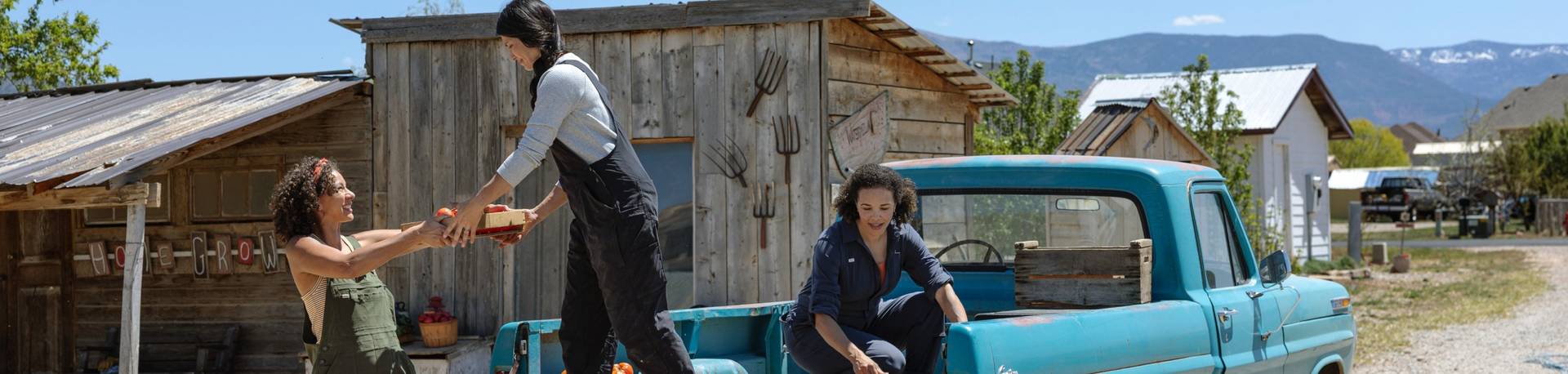
Apples: Your Orchard at Home
How to Grow Apples and the Gear You’ll Need to Do It
By Kaaden Dull
An apple a day can’t keep a gardener away. Whether you want to make homemade apple sauce, apple pie, apple cider, apple strudel, apple tarts, apple crisp, apple juice (I think you get the point), growing your own apples is easier than you think and it’s a great addition to your garden.
Gettin’ Down and Dirty
Just like any other gardening project, you need the right gear before you get started. Duluth has everything you need to outdo Johnny Appleseed in your own backyard.
Gardening Clothes for Women
- Heirloom GardeningⓇ Bib Overalls – an absolute must for any gardener, apples or no.
- Heirloom GardeningⓇ Pants – if you prefer to keep your gardening tops detached from your gardening bottoms, then look no further.
- Heirloom GardeningⓇ Vest – pockets for your tools and your gloves, with a breezy sleeveless design.
- Duluth Garden Clogs – waterproof, slip-on design with extra cushion to keep you light on your feet.
Men's Work Shirts
- Men’s Fire HoseⓇ Lightweight Long Sleeve Work Shirt – a year-round shirt that fights moisture and stains.
- Men’s No Quit Utility Standard Fit Flannel Shirt – cooling features and Reach Gussets for all your farming and gardening movement.
Tool Bags
- Dirt-Filtering Garden Tote – trowels and pruners and weeders, oh my!
- Dirt-Filtering Garden Bucket Master – make your 5-gallon bucket as handy as you
The Core Hard Facts
There are a few key things to know before you start going wild in the apple department:
- Unless you’re planning your apple dish for a dinner party 10 years from now, you should buy an apple sapling from a tree nursery instead of apple tree seeds. Store-bought seeds can take up to a decade to actually bear fruit.
- Apple trees do best with 8 hours of sun per day during the growing season, so maybe rely on it being the shade rather than putting it in the shade.
- Pollination is essential. If there’s not a pollination source within 100 feet of where you’re planning to plant, you should consider buying two different types of apple trees. (We’ll get into the types in a minute).
- Check that your soil drains well and maintains a pH between 6 and 6.5. You can buy a soil pH tester at most local gardening or hardware stores.
- Two semi-dwarf trees are more than enough for a family of 4, so don’t overbuy. Or if you’re feeding a village, then have at it.
Now that you have a better grasp on what’s growing, let’s dig into the details a little bit more.
Is It A Granny Smith Because It’s Old?
Different Types of Apples
There are over 7,500 different types of apple trees. Obviously that’s a little overwhelming, so here’s a cheat sheet to what apples grow best in your area and what they taste like.
Popular Global Varieties
- Gala – Sweet flavor and crisp bite. Best for eating fresh, and grows well in eastern states.
- Honeycrisp – Sweet, crisp and also good for biting into. Thrives well in northern states and the Upper Midwest.
- Fuji – Extremely sweet and juicy; does best in regions with moderate summers and winters. These guys are a good, crunchy snack on the go.
- Granny Smith – Bright green and very tart; requires a longer, warmer growing season to mature properly. Tastes best in baked goods.
- Red Delicious – Mildly sweet with a thick skin; adaptable to many different regional climates across the country. These apples go best with dips, salads and other cold dishes that bring out their natural sweetness.
Best for Ciders
Heirloom Varieties – These traditional apples provide sharper flavors, including Winesap, Arkansas Black, Golden Russet and many more.
Best for Baking
Mixing a sweet apple with a tart apple can give baked goods a more layered flavor. Granny Smiths and Braeburns are good tart choices, while Honeycrisps and Pink Ladies offer sweetness.
Consider your taste preferences and what you want apples for and make your choice.
Care and Maintenance
The apple doesn’t fall from the tree – especially when you don’t take care of your trees, then there’s no apple falling at all. Here are some of the best things you can do for your mini orchard:
- Plant your trees properly. Dig holes that are twice as wide as the roots on your sapling and keep the graft union (the little knot or bulge above the root system) 2 to 3 inches above the soil line. Fill in the rest of the hole with native soil. Placing wood chips around the base of the tree can help prevent unwanted weeds, but keep it a few inches back from the trunk. Staking your trees is also a good idea for the first few years of its life.
- Water deeply. Apple trees ideally should get 1 inch of water every week from May through October, especially if there’s a dry spell during this growing season.
- Thin your plants before harvesting. Sometimes apple trees produce more fruit than they can actually handle. Some of the fruit should naturally drop off in June, but there may still be some left. Not thinning your trees will result in a harvest of small, green apples followed by little to no crop the next year. Start thinning in late June or early July when fruit is about marble size and some of the crop has dropped naturally.
- How to tell if an apple is ripe – look for a change in the “background color,” which is the part of the skin that’s not red. It should be a green-turning-to-yellow color when it’s fully ripened. Take a bite to see if they’re at the level that you prefer. Underripe apples will be starchy and leave a sticky film on your teeth.
- Store apples at 33-38 degrees Fahrenheit. Your apples will last nearly 10 times longer than if stored at room temperature.
Quick tip: If you want to avoid wasting some of your crop, put a fruit net slightly above the ground around the tree to catch any fruit that falls naturally. Easier to pick up and more fruit to eat – now that’s sustainable gardening.
Need More Gardening Gear?
Boots For Men
Women’s Gardening Boots